Disclosure: Informational only. We are not FMCSA or USDOT. Always verify your status directly through official FMCSA systems.
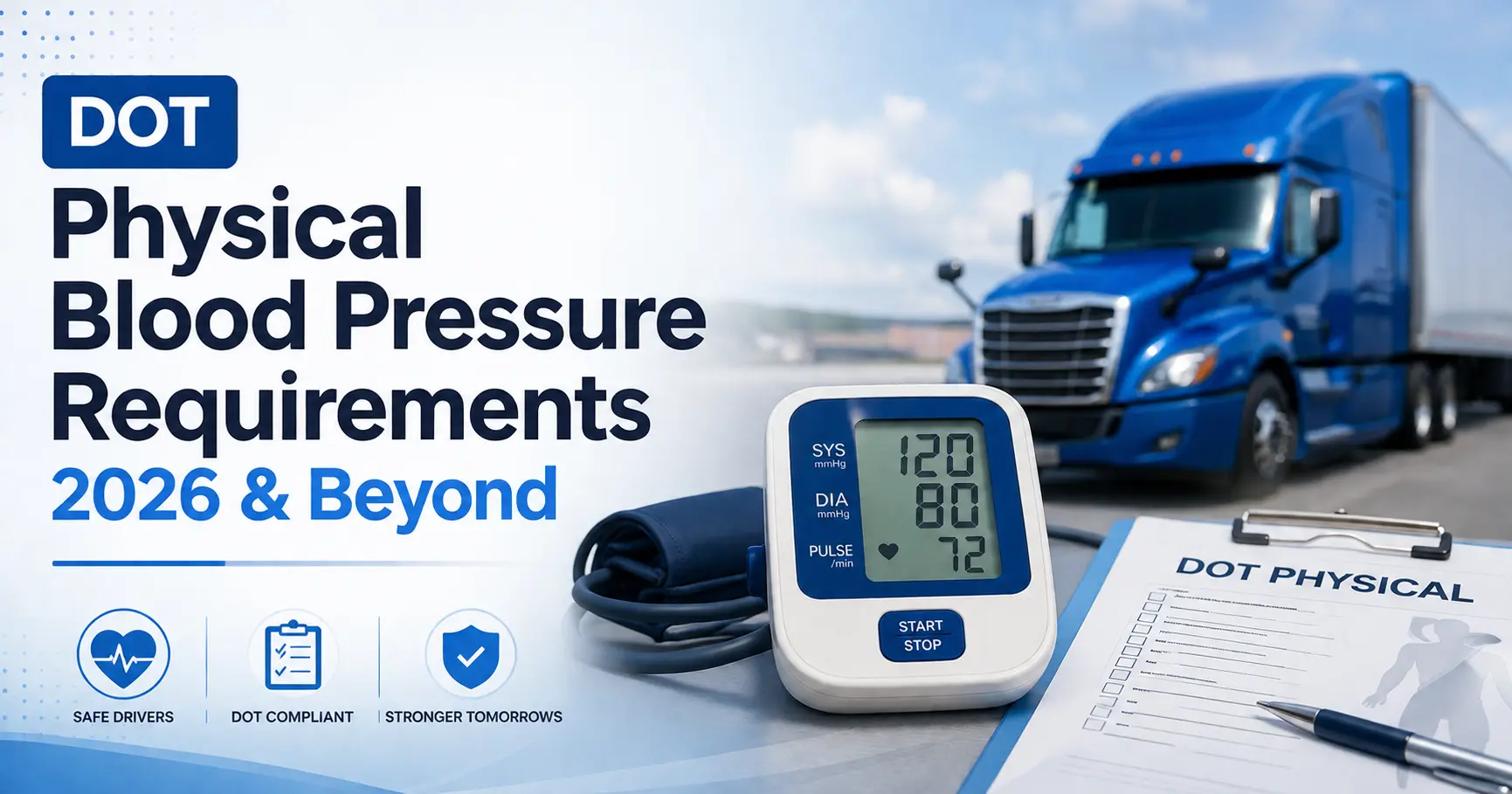
Blood pressure remains one of the most important health factors evaluated during a DOT physical, mainly because it directly affects a CDL driver’s ability to operate a commercial vehicle safely.
For trucking companies, owner-operators, and fleet managers, understanding how FMCSA handles blood pressure assessments is essential to maintaining continuous compliance and avoiding driver downtime. The DOT physical aims to determine whether a driver is medically fit for the demands of long-haul transportation, where long hours, stress, and irregular sleep patterns can significantly impact cardiovascular health.
In 2026, DOT medical evaluations are becoming stricter not because the BP numbers have changed, but because FMCSA now expects more consistent, documented stability rather than last-minute improvements.
Medical examiners are increasingly using history, treatment patterns, and risk indicators to determine medical card duration. This shift means that drivers who previously relied on temporary fixes at exam time may now face shorter certifications or mandatory follow-ups.
Understanding the importance of blood pressure within the DOT exam process ensures fewer surprises at renewal time and helps fleets maintain uninterrupted operations through better preparation and health management.
Why Blood Pressure Matters
Blood pressure matters in the DOT physical because it directly affects driver safety, long-term health, and fleet reliability. High blood pressure, or hypertension, increases the risk of sudden medical emergencies such as heart attacks, strokes, dizziness, or fainting, events that can be catastrophic behind the wheel of an 80,000-pound commercial vehicle. FMCSA regulations prioritize preventing these incidents by ensuring drivers maintain safe BP levels before receiving or renewing their medical cards.
From an operational standpoint, uncontrolled blood pressure is one of the leading reasons drivers receive short-term medical certifications. A driver who receives a 1-year or 3-month card instead of a 2-year card becomes a compliance risk that fleets must monitor closely.
Missed re-examinations or last-minute failures often result in lost driving days, canceled loads, and unexpected scheduling disruptions. For companies operating with thin margins and tight timelines, this can significantly impact profitability and service reliability.
For drivers, understanding the importance of blood pressure helps reduce stress, improve exam outcomes, and maintain job stability. Maintaining controlled BP not only supports better health but also ensures smoother certification renewals.
What Drivers Should Expect in 2026 & Beyond
Drivers should expect a more thorough and data-driven approach to blood pressure evaluation during DOT physicals in 2026 and beyond. While FMCSA has not changed the official BP thresholds, medical examiners are now instructed to look beyond a single reading on exam day.
They consider risk patterns, prior health history, medication consistency, and overall cardiovascular stability. This means drivers with borderline or fluctuating blood pressure may face closer scrutiny and shorter certification periods.
Medical examiners may request additional readings, repeat measurements during the exam, or physician documentation showing controlled hypertension. Drivers who previously passed with “white coat hypertension” or temporary exam-day improvements may now be required to demonstrate sustained BP management.
This updated expectation aims to reduce cardiovascular-related incidents on the road and ensure drivers remain safe over the long term, not just at the time of the physical.
In addition, fleets can expect more operational interruptions if they are not monitoring medical card cycles proactively. A driver receiving a 3-month card must return for a follow-up exam, and missing that deadline can render them non-compliant.
DOT Physical Blood Pressure Categories
Understanding the official DOT blood pressure categories is essential for CDL drivers, fleet owners, and compliance managers. The FMCSA has not changed the core BP thresholds, but stricter enforcement and more data-driven monitoring in 2026 mean drivers must stay within safe ranges year-round, not just during the exam.
Medical examiners now rely more heavily on historical BP patterns, wearable health data, and driver risk scoring to determine certification duration.
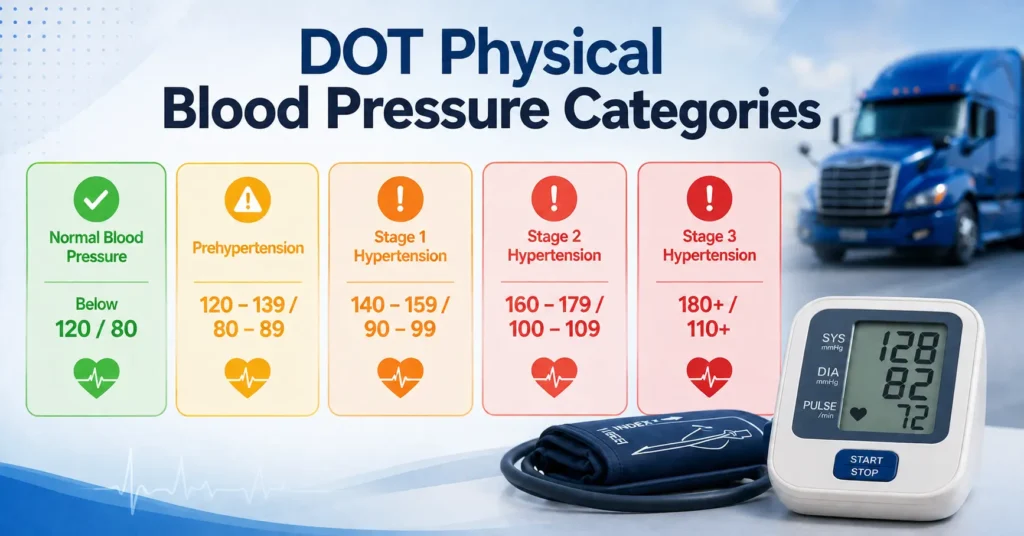
Normal Blood Pressure (Below 120/80) qualifies a driver for a full two-year medical card. MEs consider this the safest category with no restrictions. However, many fleets do not actively monitor blood pressure trends, resulting in sudden surprises during DOT physicals. With our Fleet Compliance Management Software, you can track your drivers’ health readiness in advance, reducing the risk of short-term certifications.
Prehypertension (120–139 / 80–89) still allows drivers to pass but may trigger shorter certification periods. MEs increasingly issue 1-year certificates to ensure ongoing monitoring. Drivers in this category are reminded to improve lifestyle habits, and fleets using Compliance dashboards receive reminders for upcoming re-checks.
Stage 1 Hypertension (140–159 / 90–99) typically results in a 1-year certification, but drivers must show improvement by the next exam. Failure to reduce BP means a downgrade to 3-month certification or disqualification.
Stage 2 Hypertension (160–179 / 100–109) results in a one-time, 3-month card. During those 90 days, the driver must bring BP back to acceptable levels. Compliance teams must monitor this closely to avoid service interruptions, and our software automates those alerts.
Stage 3 Hypertension (180+/110+) is automatically disqualifying until BP is controlled. Compliance system helps drivers understand options, recommended steps, and the best path back to licensure.
What Blood Pressure Disqualifies a CDL Driver in 2026?
In 2026, the FMCSA maintains clear requirements for disqualification due to high blood pressure, but enforcement has become stricter due to increased health-risk analysis technologies. CDL drivers are disqualified when their blood pressure reaches 180/110 or higher, categorized as Stage 3 hypertension.
A driver with BP in this range is considered unsafe to operate a commercial vehicle until the condition is under control. This threshold reflects the FMCSA’s commitment to reducing preventable accidents caused by cardiovascular events on the road.
However, it is not just extreme hypertension that threatens a driver’s certification. The 2026 guidelines emphasize patterns of uncontrolled BP, missed follow-up exams, and inconsistencies in recorded medical data.
Medical examiners can temporarily deny certification if a driver repeatedly exhibits borderline Stage 2 hypertension without treatment progress. This is where fleet owners often struggle, not with full disqualification but with operational disruptions caused by short-term or denied cards.
What Happens During the DOT Physical Blood Pressure Test?
During a DOT physical, the blood pressure evaluation is one of the most important components because it directly determines a driver’s medical card duration. In 2026, medical examiners follow a standardized process, but additional emphasis is placed on accuracy and consistency of readings. Drivers may undergo multiple BP checks if the initial reading is elevated, giving them a chance to relax and stabilize before the final result is recorded.
The test typically begins with the driver seated comfortably, feet flat on the floor, and arm supported at chest level. The examiner uses a calibrated BP cuff, and in many cases, digital BP devices with data-logging features. If the driver’s BP appears borderline or unusually high, the examiner may retest after a short rest to confirm accuracy. This helps reduce false elevations caused by nerves or physical exertion before the appointment.
Beyond a single reading, 2026 exam procedures place importance on overall cardiovascular risk. MEs may ask questions about medications, lifestyle habits, previous hypertension diagnoses, or symptoms like dizziness and headaches. If a driver has a history of elevated BP, the examiner may require documentation showing stable control, especially if the driver is on a short-term medical card.
How to Lower Blood Pressure Before a DOT Physical
Lowering blood pressure before a DOT physical is not just about passing the exam, it is about creating long-term health stability that keeps drivers safely on the road. Fleet owners increasingly recognize that hypertension is one of the leading causes of failed DOT physicals, unexpected time off, and increased insurance costs. For 2026, the most effective approach combines lifestyle, short-term preparation, and fleet-supported health management.
For immediate improvement before the exam, drivers are advised to avoid caffeine, energy drinks, smoking, heavy meals, or stressful situations at least 3–5 hours prior. Controlled breathing exercises can lower BP within minutes. Staying hydrated and getting adequate rest the night before also significantly improves readings. These short-term strategies help minimize nervous spikes that could push a borderline reading into a higher category.
Long-term improvement, however, is where real compliance value is created. Consistent exercise, reduced sodium intake, weight management, and prescribed medication adherence are the foundation of predictable BP stability.
Medication adherence is one of the most overlooked issues for CDL drivers. Irregular schedules, long hours, and demanding routes often disrupt medication routines. Our platform sends confidential reminders to drivers, helping them maintain consistency. Fleets can also schedule preventive check-ins, reducing the likelihood of last-minute disqualification.
By combining immediate exam tips with continuous attention to health readiness, drivers improve their well-being while fleets reduce downtime, avoid short-term cards, and stay FMCSA compliant.
Tips for Fleet Owners to Keep Drivers Compliant with DOT BP Requirements
Fleet owners play a critical role in ensuring their drivers remain medically qualified, especially when hypertension is one of the top reasons drivers lose certification. In 2026, FMCSA compliance is no longer just about documentation, it is about proactive monitoring and minimizing operational risks. Fleet-wide blood pressure readiness strategies can prevent delayed dispatches, emergency re-assignments, and costly downtime.
The first step is establishing visibility. Many fleets do not realize which drivers are at risk until the day of the DOT physical. Automated reminders help both drivers and managers stay ahead of deadlines.
Second, fleets should educate drivers on the importance of year-round blood pressure management. This includes understanding DOT categories, medication requirements, lifestyle habits, and how stress affects BP readings. Offering simple training modules or monthly wellness check-ins can significantly improve fleet-wide health stability.
Third, implementing preventive care partnerships with clinics can ensure drivers receive ongoing support rather than facing last-minute crisis exams.
Fourth, create a confidential reporting environment. Drivers often hide health concerns for fear of losing their job. By eliminating stigma and encouraging open communication, fleets can address issues early.
Finally, analyze data to identify patterns. Fleets with large numbers of Stage 1 and Stage 2 drivers can implement targeted wellness initiatives to reduce future compliance risks.
Proactive compliance keeps your trucks moving and your drivers safe, and provides all the tools needed to achieve this consistently.
Key Takeaways
Blood pressure is one of the most decisive health factors in the DOT physical and directly influences medical certification length.
FMCSA’s 2026 evaluation approach focuses on long-term blood pressure stability—not just a single reading during the exam.
Blood pressure below 120/80 mmHg may qualify drivers for a two-year Medical Examiner’s Certificate, while readings above 140/90 mmHg often result in shorter certification periods.
A blood pressure reading of 180/110 mmHg or higher is generally disqualifying until it is medically controlled.
Medical examiners evaluate blood pressure trends, medication compliance, and overall cardiovascular risk when determining certification.
Drivers can improve exam readiness by staying hydrated, limiting stimulants, practicing relaxation techniques, and maintaining healthy long-term habits.
Preparing in advance helps reduce the risk of unexpected certification delays and keeps commercial drivers safely on the road.
FAQs
Drivers must have a blood pressure reading below 140/90 to receive a standard one-year medical card. Readings below 120/80 qualify for a full two-year certification. Stage 2 hypertension (160–179 / 100–109) results in a one-time 3-month card, and 180/110 or higher is disqualifying until blood pressure is controlled.
Yes. Drivers with elevated blood pressure usually qualify for a short-term certification rather than failing the exam outright. The examiner determines whether you receive a 1-year or 3-month card based on your current reading and medical history. Continuous management is required for renewal.
Medical examiners often take multiple readings to account for stress or temporary spikes. However, in 2026, MEs increasingly consider trends and past readings. If your BP is consistently elevated in previous exams, you may receive a shorter certification.
Avoid caffeine, nicotine, and heavy food before the exam. Drink water, practice slow breathing, and arrive early to reduce stress. Long-term improvements such as medication adherence, reduced sodium intake, and regular exercise are the most effective ways to maintain stable BP.
Any reading of 180/110 or higher automatically disqualifies the driver until the condition improves. Additionally, drivers who cannot demonstrate sustained control of Stage 2 hypertension may also face delays or denial until treatment stabilizes their BP.
Stage 1 hypertension generally results in a 1-year medical card, requiring yearly recertification. Stage 2 hypertension leads to a one-time, 3-month card, requiring proof of improvement. Once controlled, the driver may resume annual certification or qualify for longer periods.