Disclosure: Informational only. We are not FMCSA or USDOT. Always verify your status directly through official systems.
Running a trucking operation means juggling compliance deadlines, documents, audits, and constant communication. Many fleets now look to a virtual fleet assistant for help, but not all support is equal.
This guide explains how human virtual fleet assistants compare to bots, what tasks they actually handle, and how to measure real ROI for your fleet.
Why Humans Still Win Over Bots
Automation is helpful, but DOT compliance isn’t just data entry. It requires judgment, verification, and follow-through.
1. Context Matters
Human virtual fleet assistants understand:
- Your routes and operating areas
- How many trucks and drivers you actually have
- Your filing history and past issues
Bots follow scripts. Humans understand nuance.
2. Real Accountability
With a human assistant:
- You have a named person assigned to your account
- Someone tracks tasks from start to confirmation
- Follow-ups don’t disappear into a ticket queue
Accountability is critical when deadlines affect your authority.
3. Quality Control Before Filing
Humans:
- Verify truck and driver counts
- Confirm dates and filing windows
- Catch errors before submissions
Bots don’t validate, they process.
What a Virtual Fleet Assistant Actually Handles
A good virtual fleet assistant focuses on organization, verification, and follow-through.
Task & Deadline Management
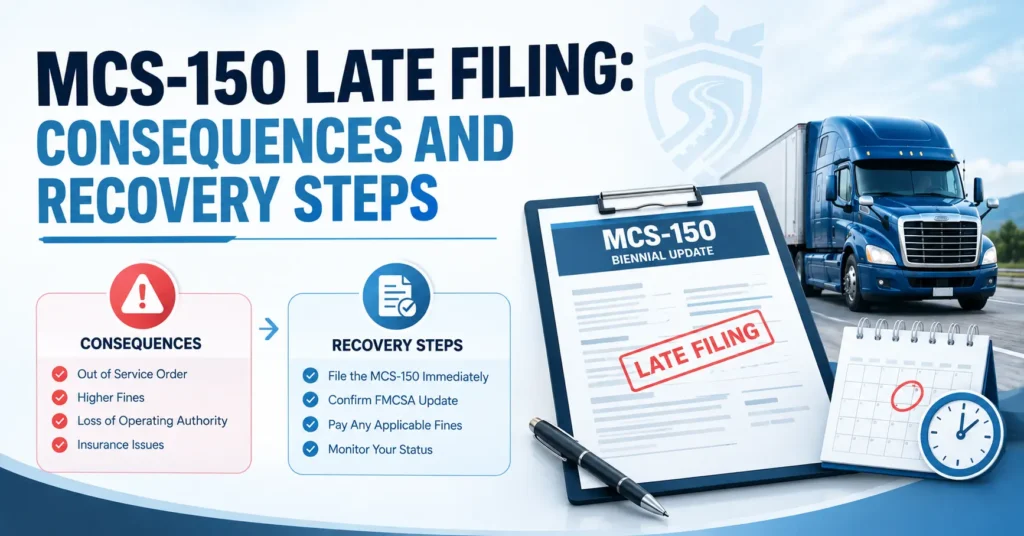
- MCS-150 biennial update tracking
- UCR renewal windows
- Annual Clearinghouse queries
No more guessing or last-minute scrambles.
Document Hub Management
- Store confirmation PDFs (MCS-150, UCR, BOC-3)
- Maintain version control for policies
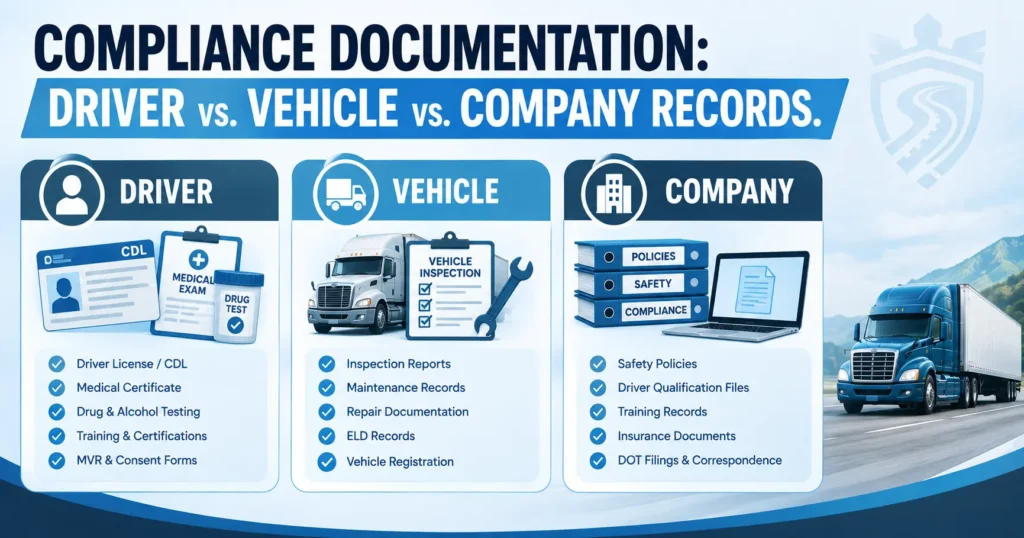
- Organize DQFs, vehicle files, and insurance proofs
Everything is ready when auditors ask.
Audit Preparation
Virtual fleet assistants help:
- Collect and review DQFs
- Pull ELD and HOS reports
- Organize vehicle inspection and maintenance files
This turns audits into a process, not a panic.
Scam & Mailer Verification
Human assistants can:
- Verify suspicious mailers against FMCSA warnings
- Identify government-lookalike tactics flagged by the FTC impersonation rule
- Help you save questionable notices for records
Bots can’t judge intent, humans can.
Measuring ROI: Humans vs. Bots
Here’s how fleets measure real value from human virtual fleet assistants.
Key ROI Indicators
- Fewer missed compliance deadlines
- Faster DOT audit responses
- Less downtime from paperwork corrections
- Fewer duplicate or unnecessary filings
The result: less stress and fewer interruptions to operations.
SafeRoad’s Human-First Approach
SafeRoad combines real human virtual fleet assistants with a compliance portal built for trucking.
What makes SafeRoad different
- Human assistants (not chatbots)
- Purpose-built portal for fleets and owner-operators
- Transparent pricing, no government-lookalike mailings
- Written confirmations before filings
You get people and systems working together.
👉 Meet a SafeRoad assistant and see the portal in action.
Book a Demo »
Frequently Asked Questions (FAQs)
A virtual fleet assistant is a remote support professional who helps trucking companies manage compliance tasks, documents, deadlines, and audit preparation.
Bots can handle simple reminders, but DOT compliance often requires verification, context, and accountability, areas where human assistants perform better.
Typical tasks include compliance calendars, document organization, audit prep, Clearinghouse tracking, renewal reminders, and verification of filings and notices.
By keeping documents organized, tracking deadlines, and preparing files ahead of time, virtual fleet assistants help fleets respond quickly and confidently during audits.
If you see fewer missed deadlines, faster audit responses, and less downtime from compliance issues, the assistant is delivering measurable ROI.