
Disclosure: Informational only. We are not FMCSA or USDOT. Always verify your status directly through official FMCSA systems.
Introduction: Why Small IFTA Errors Cost Big Money
Many trucking companies across the United States assume IFTA reporting is just another quarterly task. In reality, small errors can quickly turn into costly penalties, audits, and operational disruptions. A single incorrect mileage entry or missing fuel receipt can throw off your entire report.
IFTA reporting involves multiple moving parts, including mileage tracking, fuel purchases, and jurisdiction-specific tax rates. When these elements do not align, it leads to inaccurate filings.
Common consequences include:
- Overpaying fuel taxes
- Underreporting and facing penalties
- Increased audit risk
- Damaged compliance reputation
If you are new to the concept, it is important to first understand what IFTA is and how it works.
For fleet managers and owner-operators, these issues directly impact profitability and operational efficiency. The key is not just filing reports, but filing them accurately.
In this guide, we break down the most common IFTA reporting mistakes and show you how to avoid them with practical, real-world strategies.
1. Inaccurate Mileage Tracking Across States
Mileage tracking is the foundation of IFTA reporting, yet it is one of the most common problem areas. Many fleets still rely on manual logs or driver memory, which often leads to inconsistencies.
Even minor inaccuracies can create serious compliance issues. For example, underreporting miles in one state while overreporting in another can distort your tax liability and trigger audits.
Common causes of inaccurate mileage:
- Manual trip logging errors
- Drivers forgetting to record routes
- Lack of GPS or ELD integration
- No verification process before filing
To avoid this, fleets should implement automated tracking systems. GPS and ELD solutions provide real-time, accurate mileage data across jurisdictions.
Pro Tip:
- Always cross-check mileage reports with dispatch records or GPS data before submission
Accurate mileage tracking not only ensures compliance but also helps optimize routes and reduce fuel costs.
2. Missing or Disorganized Fuel Receipts
Fuel receipts are critical for claiming tax credits, but many carriers fail to manage them properly. Missing or incomplete receipts can result in denied credits and higher tax liability.
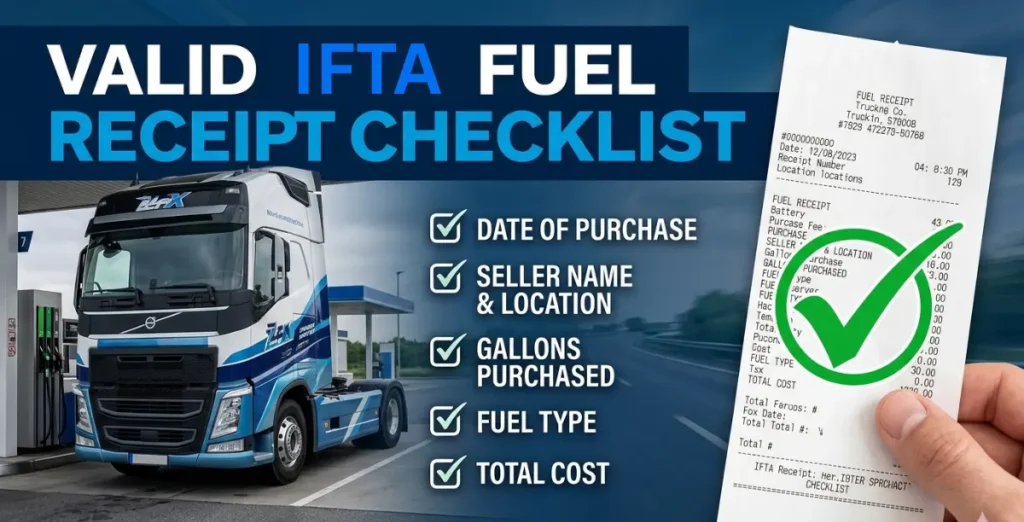
A valid fuel receipt must include:
- Date of purchase
- Seller’s name and location
- Number of gallons purchased
- Fuel type
- Total cost
Common mistakes include:
- Lost or damaged paper receipts
- Illegible or incomplete information
- Delayed submission by drivers
- Poor storage systems
To solve this, fleets should move to digital receipt management. Mobile apps allow drivers to upload receipts instantly, ensuring they are safe and organized.
Insight:
- During audits, missing receipts are one of the fastest ways to lose fuel tax credits
Proper documentation protects your business and strengthens your compliance profile.
3. Miscalculating Fuel Tax by Jurisdiction
Fuel tax rates vary by state, making calculations complex. Many carriers make the mistake of applying incorrect or outdated tax rates.
This leads to:
- Underpayment, resulting in penalties
- Overpayment, reducing profitability
- Audit discrepancies
Common causes:
- Using outdated tax tables
- Manual calculation errors
- Applying flat tax rates across states
To avoid this, always:
- Use updated quarterly IFTA tax rates
- Automate calculations with software
- Double-check reports before submission
Pro Tip:
- Automated tools eliminate human error and ensure accurate tax calculations
Accurate tax reporting ensures you pay exactly what you owe and maintain compliance.
You can follow a structured IFTA fuel tax reporting process to ensure accuracy and compliance.
4. Late IFTA Filing and Missed Deadlines
Late filing is one of the easiest mistakes to avoid, yet it happens frequently. IFTA returns are due quarterly, and delays result in penalties and interest.
Why this happens:
- Last-minute data collection
- Poor internal processes
- Lack of deadline tracking
Consequences include:
- Financial penalties
- Increased audit risk
- Compliance issues
To stay on track:
- Set internal deadlines earlier than official due dates
- Use automated reminders
- Prepare reports in advance
Insight:
- Consistency in timely filing builds trust with regulatory authorities
Timely reporting improves efficiency and reduces stress across your operations.
5. Incorrect Distance Reporting Between IFTA and IRP
Many carriers confuse IFTA mileage with IRP mileage, leading to reporting errors. While both involve distance tracking, they serve different purposes.
Key differences:
- IFTA is for fuel tax reporting
- IRP is for vehicle registration and fees
Common mistakes:
- Using the same mileage data for both
- Failing to separate records
- Misinterpreting reporting requirements
To avoid this:
- Maintain separate systems for IFTA and IRP
- Use specialized software
- Train staff on compliance differences
Pro Tip:
- Always verify mileage data before using it for different compliance reports
Clear separation ensures accurate filings and avoids unnecessary complications.
6. Poor Recordkeeping and Documentation
Strong documentation is essential for IFTA compliance. Poor recordkeeping can lead to audit failures, even if your data is accurate.
Required records include:
- Trip reports
- Fuel receipts
- Mileage logs
- Tax calculations
Common issues:
- Missing documents
- Disorganized files
- Inconsistent recordkeeping
Best practices:
- Use centralized digital storage
- Maintain records for at least 4 years
- Regularly audit internal records
Insight:
- Good documentation is your first line of defense during audits
Organized records make compliance easier and more reliable.
7. Failure to Reconcile Fuel and Mileage Data
Fuel and mileage data must align. When they do not, it raises red flags during audits.
Common causes:
- Data collected from multiple sources
- Lack of reconciliation process
- Errors in fuel or mileage entries
Risks include:
- Audit scrutiny
- Financial penalties
- Incorrect tax reporting
To fix this:
- Reconcile data before filing
- Use automated systems to detect inconsistencies
- Review reports regularly
Pro Tip:
- Regular reconciliation helps identify issues early
Accurate data alignment ensures compliance and improves operational insights.
8. Not Using Automation or IFTA Software
Manual reporting increases errors, especially for growing fleets. Spreadsheets and paper logs are inefficient and prone to mistakes.
Challenges of manual systems:
- Time-consuming calculations
- Higher risk of errors
- Lack of real-time tracking
Benefits of automation:
- Accurate tax calculations
- Real-time mileage tracking
- Automated reminders
- Easy report generation
Insight:
- Automation transforms compliance from a burden into a streamlined process
Investing in dot portal improves accuracy, efficiency, and scalability.
9. Ignoring Amendments and Corrections
Mistakes happen, but ignoring them can make things worse. Many carriers fail to file amended returns when errors are discovered.
Why this is risky:
- Errors remain on record
- Increased audit risk
- Potential penalties
Best practices:
- Review reports after submission
- File amendments promptly
- Maintain transparency
Pro Tip:
- Fixing errors early shows proactive compliance
Timely corrections protect your business and maintain accurate records.
10. Lack of Compliance Strategy and Expert Support
The biggest mistake is not having a structured compliance approach. IFTA reporting requires ongoing management, not just quarterly effort.
Without a strategy:
- Errors repeat
- Processes remain inefficient
- Compliance risks increase
A strong strategy includes:
- Automated systems
- Trained staff
- Expert guidance
- Regular audits
Insight:
- Professional support can significantly reduce errors and save time
Having the right systems and expertise ensures long-term compliance success.
Key Takeaways
- IFTA reporting mistakes can lead to penalties, audits, and lost profits
- Accurate mileage tracking and fuel receipt management are critical
- Automation significantly reduces errors and improves efficiency
- Timely filing and proper documentation strengthen compliance
- Regular reconciliation prevents discrepancies
- A structured compliance strategy is essential for long-term success
Conclusion: Turn IFTA Reporting Into a Competitive Advantage
Avoiding these IFTA reporting mistakes is not just about compliance, it is about improving efficiency and protecting your bottom line. Carriers who take a proactive approach gain better control over operations and reduce risks.
If you want to simplify your process and eliminate errors, it is time to improve your IFTA reporting strategy.
Stay compliant, reduce costs, and focus on growing your fleet with confidence.
Schedule your IFTA consultation today.
FAQs
The most common mistakes include inaccurate mileage tracking, missing fuel receipts, incorrect tax calculations, and late filings.
You can avoid errors by using automated software, maintaining proper records, and reconciling fuel and mileage data before filing.
You may face penalties, interest charges, or audits. It is important to file an amended return as soon as you identify the error.
You should maintain all IFTA-related records for at least four years for audit purposes.
Yes, even small fleets benefit from automation as it reduces errors, saves time, and ensures compliance.
Yes, missing receipts can result in denied fuel tax credits, increasing your tax liability.