Disclosure: Informational only. We are not FMCSA or USDOT. Always verify your status directly through official systems.
CSA scores are one of the most important safety indicators used by FMCSA to evaluate carriers. CSA stands for Compliance, Safety, Accountability, and it reflects how safely and responsibly a carrier operates over time. These scores are not based on opinions. They are calculated using roadside inspections, violations, and crash data.
What CSA measures is not just whether violations occur, but how often they occur, how severe they are, and how recent they are. A single violation may not seem serious, but repeated or unresolved issues can push scores into intervention territory.
Why CSA matters is simple. FMCSA uses these scores to decide which carriers need audits, investigations, or enforcement actions. High CSA scores increase scrutiny, inspection frequency, and audit probability.
How CSA scores are influenced often surprises carriers. Many points come from documentation issues, not unsafe driving. Missing logs, incomplete files, or inspection paperwork errors all contribute.
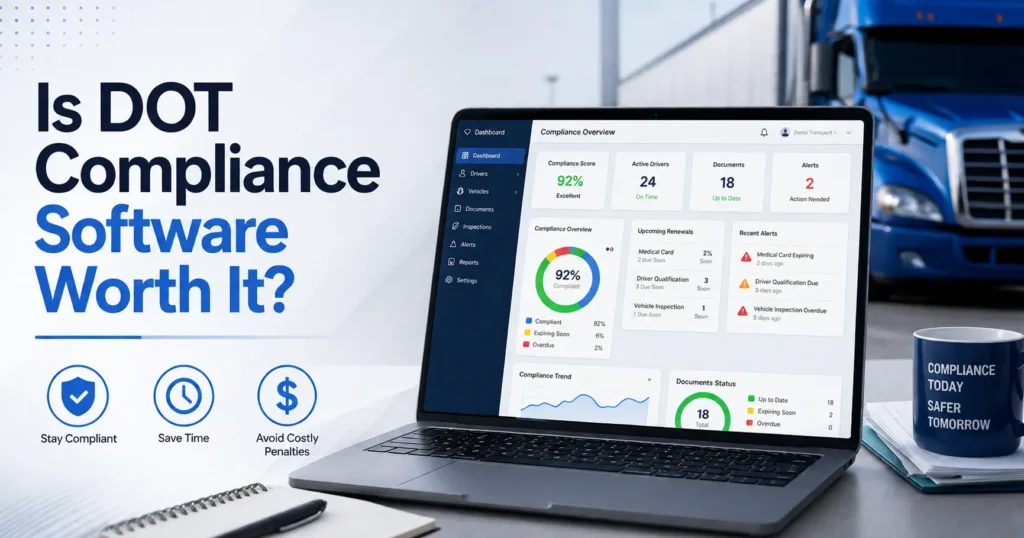
DOT compliance software helps carriers understand what CSA really measures and how daily compliance habits affect long term risk. When fleets can see compliance clearly, CSA becomes manageable instead of mysterious.
Overview of the CSA Program
The CSA program was created to improve roadway safety by identifying high risk carriers before serious accidents occur. Instead of waiting for major incidents, FMCSA uses CSA data to spot patterns early.
The program collects data from roadside inspections, traffic enforcement, and reportable crashes. Each event adds weighted points to specific safety categories. Over time, this builds a safety profile for each carrier.
CSA is not a pass or fail system. It is a comparative system. Carriers are ranked against others of similar size. This means even moderate violations can be problematic if peers perform better.
Many fleets misunderstand CSA as only a driver issue. In reality, it is a management system. FMCSA evaluates how well a carrier controls compliance, trains drivers, and maintains vehicles.
DOT compliance software aligns directly with the CSA program because it supports ongoing oversight instead of reactive fixes. When compliance is systematic, CSA performance improves naturally.
Understanding CSA as a continuous monitoring system is critical. Fleets that treat it as an occasional concern usually discover problems too late.
The Seven CSA BASIC Categories
CSA scores are broken into seven BASIC categories. BASIC stands for Behavior Analysis and Safety Improvement Categories. Each category focuses on a specific risk area.
The categories include Unsafe Driving, Hours of Service Compliance, Driver Fitness, Controlled Substances and Alcohol, Vehicle Maintenance, Hazardous Materials Compliance, and Crash Indicator.
Each roadside violation is assigned to one of these categories and weighted based on severity and recency. Some categories are more sensitive than others, especially Hours of Service and Vehicle Maintenance.
A carrier may feel compliant overall but still struggle in one BASIC. FMCSA focuses on weak areas, not averages. One high risk category can trigger audits and interventions.
DOT compliance software helps carriers track documentation and behaviors tied to each BASIC. Instead of guessing where risk exists, fleets gain visibility into which categories need attention.
This structured insight allows proactive correction. Addressing one BASIC early can prevent enforcement actions later.
Why CSA Scores Matter to Fleet Safety and Operations
CSA scores directly affect how fleets operate day to day. High scores increase roadside inspections, disrupt delivery schedules, and increase administrative workload.
From a safety perspective, CSA highlights patterns that may lead to accidents. Repeated maintenance violations or HOS issues are often warning signs of deeper operational problems.
Operationally, CSA affects driver morale. Drivers working for high risk carriers face more inspections and stress, which can lead to turnover.
CSA scores also influence audits. FMCSA uses them to prioritize carriers for investigations. Poor scores rarely go unnoticed.
DOT compliance software reduces operational friction by preventing small compliance failures from becoming systemic issues. When compliance is organized, drivers and managers operate with confidence.
In short, CSA scores are not just numbers. They shape enforcement behavior, operational efficiency, and long term business stability.
How Documentation Impacts CSA Scores
Documentation is one of the biggest contributors to CSA risk. Many violations occur not because something unsafe happened, but because proof was missing or inconsistent.
CSA relies heavily on what inspectors can verify during roadside stops or audits. If records are incomplete, outdated, or unavailable, violations are recorded even if the activity itself was compliant.
Documentation failures compound over time. Missing logs today and expired inspections tomorrow create a pattern that raises CSA scores quickly.
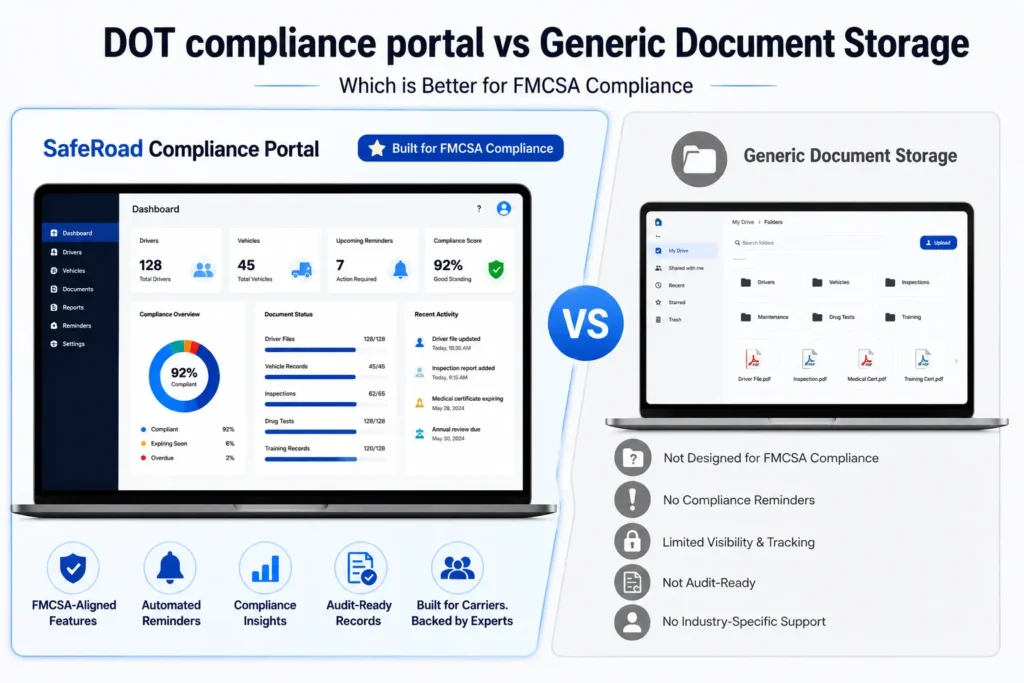
DOT compliance software addresses this by making documentation consistent, accessible, and standardized. It removes reliance on memory and paper storage.
When documentation is centralized and structured, carriers reduce accidental violations significantly. Compliance becomes verifiable, not assumed.
Common Documentation Errors That Trigger Violations
The most common documentation errors are surprisingly simple. Missing signatures, expired medical cards, incomplete inspection reports, and inconsistent log entries top the list.
Another frequent issue is document availability. Records may exist but cannot be produced during inspections. FMCSA treats unavailable documents as non compliant.
Paper based systems increase error risk. Documents get lost, damaged, or outdated without notice. Manual tracking relies too heavily on human memory.
DOT compliance software prevents these errors by enforcing completeness and consistency. Required fields, expiration alerts, and digital storage reduce oversight mistakes.
Fixing documentation errors is often the fastest way to lower CSA risk, and software makes that process repeatable.
Paper Logs vs Digital Records
Paper logs introduce delays, inaccuracies, and verification challenges. Handwritten errors, missing days, and unclear entries frequently result in HOS violations.
Digital records provide timestamped, standardized data that inspectors trust more readily. They reduce interpretation issues and speed up inspections.
From a CSA standpoint, digital records reduce dispute frequency. Inspectors spend less time questioning compliance when records are clear and complete.
DOT compliance software integrates digital logs with other compliance records, creating a full compliance picture instead of disconnected paperwork.
This shift from paper to digital is one of the most impactful CSA risk reduction steps fleets can take.
Audit Readiness and DOT Inspections
Audit readiness directly influences CSA outcomes. Carriers that respond quickly and accurately face fewer escalations.
When documentation is scattered, audits become stressful and error prone. Missing files during audits often result in findings that increase CSA scrutiny.
DOT compliance software ensures audit readiness at all times. Records are organized, current, and accessible instantly.
This readiness reduces audit duration, minimizes findings, and demonstrates compliance control to FMCSA.
Prepared fleets experience fewer follow ups and lower enforcement pressure over time.
Common CSA Violations Caused by Manual Compliance
Manual compliance systems rely heavily on people remembering tasks, tracking deadlines, and filing documents correctly. This creates predictable failure points.
CSA violations linked to manual compliance are often repetitive. The same mistakes appear across inspections because the system never corrected them.
DOT compliance software removes these weak points by replacing memory with automation and structure.
Hours of Service Violations
HOS violations are among the most common CSA contributors. Manual logs increase the risk of form and manner errors, missing entries, and miscalculations.
Fatigue related violations carry high CSA weight. Repeated HOS issues quickly elevate risk scores.
Digital tracking and automated alerts prevent these issues before inspections occur.
Driver Qualification File Issues
Driver qualification files are frequently incomplete. Missing medical certificates, outdated licenses, or incomplete employment history all result in violations.
Manual tracking makes it easy to overlook expirations. DOT compliance software monitors and flags issues before enforcement occurs.
Vehicle Maintenance and Inspection Gaps
Missed inspections and undocumented repairs are major CSA drivers. Paper inspection forms are often incomplete or misplaced.
Digital maintenance tracking ensures inspections are logged, repairs documented, and records retained correctly.
How DOT Compliance Software Prevents CSA Violations
DOT compliance software shifts compliance from reactive to proactive. Instead of fixing problems after violations occur, it prevents them entirely.
Automated Monitoring and Alerts
Automated alerts ensure no deadline or expiration is missed. This directly reduces violations tied to oversight.
Centralized Compliance Documentation
Centralized systems eliminate lost records. Inspectors receive consistent documentation every time.
Real Time Visibility Into Driver and Vehicle Compliance
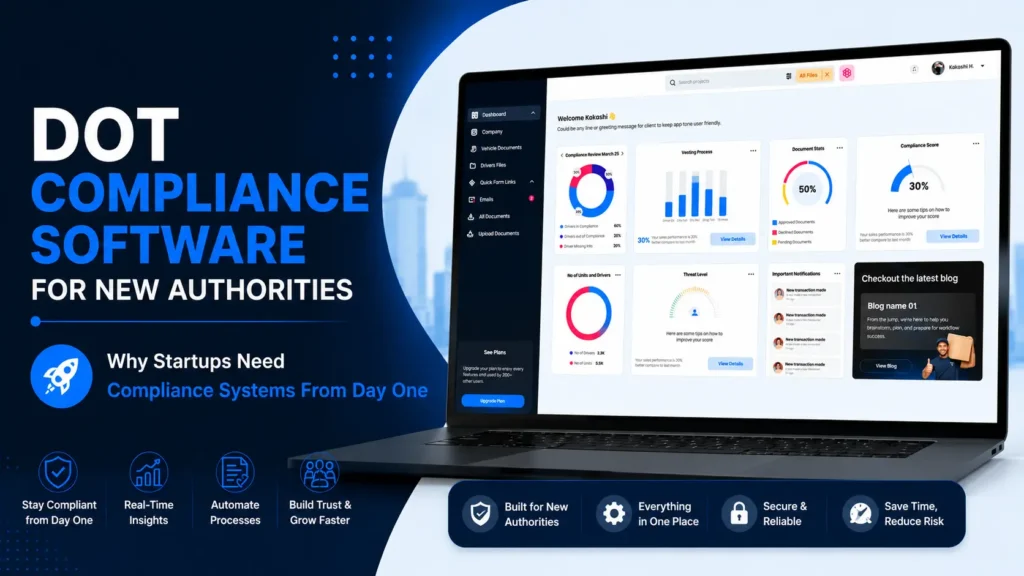
Real time dashboards allow managers to identify risk immediately. Problems are addressed before enforcement.
Long Term CSA Risk Reduction Through Automation
Automation supports sustained compliance. One time fixes do not lower CSA long term. Consistency does.
Identifying Trends and High Risk Behaviors
Software reveals patterns across drivers and vehicles. These insights guide targeted improvements.
Proactive Coaching and Corrective Action
Early intervention prevents repeat violations. Coaching becomes data driven instead of reactive.
Continuous Improvement With Compliance Reporting
Reporting enables strategic decisions. Fleets improve year over year instead of cycling through violations.
Insurance and Business Impact of CSA Scores
CSA scores extend beyond FMCSA. They influence insurance, contracts, and reputation.
How CSA Scores Affect Insurance Premiums
Insurers view CSA as a risk predictor. Poor scores often result in higher premiums or denial.
Shipper Contracts and Business Opportunities
Many shippers evaluate CSA before awarding contracts. Strong scores create competitive advantage.
Protecting Fleet Reputation and FMCSA Standing
A clean CSA profile signals professionalism. It builds trust with regulators and partners.
Key Takeaways
- CSA scores reflect compliance patterns, not isolated events
- Documentation errors are major CSA contributors
- Manual compliance increases violation risk
- DOT compliance software prevents repeat issues
- Automation supports long term safety and business growth
Conclusion
CSA risk is not unavoidable. It is manageable with the right systems and discipline. DOT compliance software provides the structure needed to reduce violations, improve safety outcomes, and protect business operations.
Fleets that invest in proactive compliance outperform those that rely on manual processes. The difference is not effort. It is a system.
Schedule an Appointment Today
Book your 30-minute compliance consultation with our DOT experts.
Why Proactive Compliance Is the Best CSA Strategy
Proactive compliance prevents violations before they occur. It reduces stress, enforcement exposure, and long term cost. Automation transforms compliance from a burden into a business advantage.
Frequently Asked Questions
Yes. CSA applies equally regardless of fleet size.
Yes. By preventing repeat violations and documentation failures.
Improvements begin immediately, but score reductions occur over time as violations age out.