Disclosure: Informational only. We are not FMCSA or USDOT. Always verify your status directly through official systems.
DOT roadside inspections are a routine part of the trucking industry, and they can happen at any time without prior notice. Whether you are an owner operator or managing a fleet, being prepared is critical to avoid violations, delays, and penalties.
A successful inspection is not just about luck. It depends on how well your vehicle is maintained, how organized your documentation is, and how knowledgeable your driver is about compliance requirements. Even minor issues can lead to citations or, in serious cases, out of service orders.
This guide provides a complete DOT roadside inspection checklist for trucks, helping drivers and fleet managers understand what inspectors look for and how to prepare effectively. By following these best practices, you can reduce inspection risks and maintain a strong safety record.
What Is a DOT Roadside Inspection
A DOT roadside inspection is an official safety check conducted by authorized inspectors to ensure that commercial vehicles and drivers comply with federal regulations. These inspections are typically performed by state troopers, DOT officers, or certified inspectors at weigh stations, inspection sites, or along highways.
There are different levels of inspections, with Level I being the most comprehensive. This includes both driver documentation review and a full vehicle inspection. Other levels may focus only on specific components such as driver credentials or vehicle equipment.
The purpose of these inspections is to identify safety violations that could lead to accidents or unsafe driving conditions. Inspectors follow strict guidelines to check both the mechanical condition of the truck and the compliance status of the driver.
Understanding how these inspections work helps drivers remain calm and prepared. When you know what to expect, you can respond confidently and reduce the chances of violations.
Essential Documents Drivers Must Carry
One of the first things inspectors check during a roadside inspection is driver documentation. Missing or expired documents can result in immediate violations, even if the vehicle is in perfect condition.
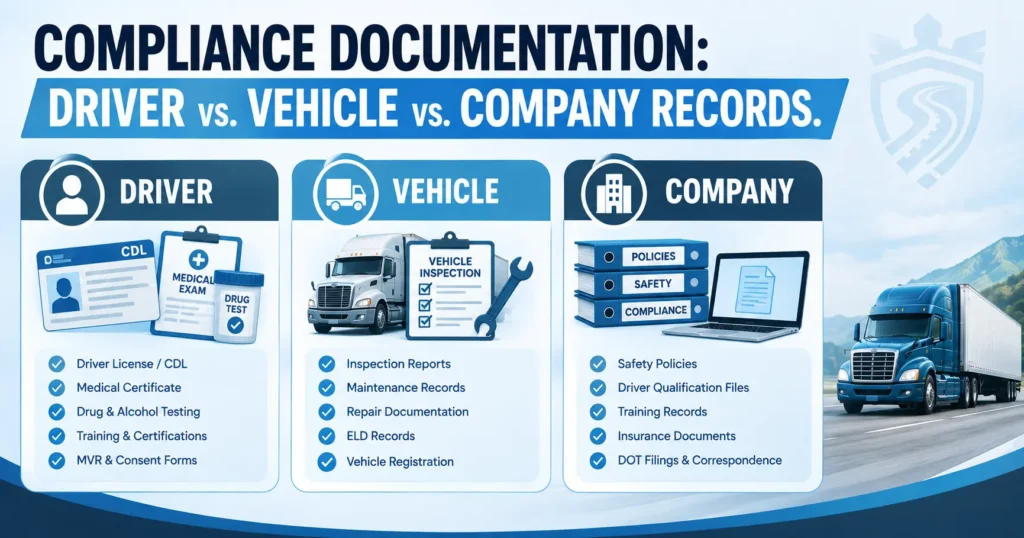
Drivers must carry a valid commercial driver license appropriate for the vehicle they are operating. A current medical examiner certificate is also required to prove fitness for duty. Additionally, drivers should have records of duty status, typically maintained through an electronic logging device.
Other important documents include vehicle registration, proof of insurance, and shipping papers for the load being transported. If carrying hazardous materials, additional documentation such as permits and safety data sheets may be required.
Keeping documents organized and easily accessible saves time during inspections and creates a professional impression. Drivers should regularly check expiration dates and ensure all paperwork is up to date before starting any trip.
Pre Trip Inspection Checklist for Drivers
A thorough pre trip inspection is one of the most effective ways to prevent roadside violations. Before starting any journey, drivers should carefully examine their vehicle to identify potential safety issues.
Key areas to inspect include brakes, tires, lights, mirrors, steering components, and coupling devices. Drivers should check for air leaks, worn brake pads, low tire pressure, and any visible damage. Ensuring that all lights are functioning properly is also essential for safety and compliance.
Fluid levels such as engine oil, coolant, and brake fluid should be checked regularly. Any leaks or unusual noises should be addressed immediately before hitting the road.
Completing a detailed pre trip inspection not only helps avoid violations but also ensures the safety of the driver and others on the road. Making this a daily habit significantly reduces the risk of unexpected issues during inspections.
Vehicle Components Inspectors Check
During a roadside inspection, inspectors focus on critical vehicle components that directly impact safety. Brake systems are one of the most commonly checked areas, including brake adjustment, air pressure levels, and overall functionality.
Tires are another major focus. Inspectors look for proper tread depth, inflation levels, and any visible damage such as cuts or bulges. Unsafe tires can lead to immediate out of service orders.
Lighting systems must be fully operational, including headlights, brake lights, turn signals, and clearance lights. Inspectors also examine suspension systems, steering mechanisms, and exhaust systems for defects.
Load securement is equally important. Improperly secured cargo can shift during transit, creating dangerous driving conditions. Drivers must ensure that all loads are properly balanced and secured according to regulations.
Understanding these inspection points allows drivers to focus on high risk areas and prepare their vehicles accordingly before every trip.
Hours of Service and ELD Compliance
Hours of service compliance is a critical part of roadside inspections. Inspectors review electronic logging device records to ensure drivers are following federal limits on driving time and rest periods.
Drivers must accurately log their duty status and ensure that all entries are complete and up to date. Any discrepancies or falsified records can lead to serious violations. Inspectors may also compare logs with supporting documents such as fuel receipts or shipping records.
Understanding daily driving limits, required rest breaks, and weekly cycle limits is essential. Drivers should regularly review their logs to identify and correct errors before inspections occur.
Proper ELD usage not only ensures compliance but also improves operational efficiency. Staying within legal limits protects drivers from fatigue and reduces the risk of accidents.
Driver Behavior During Inspection
How a driver behaves during a roadside inspection can influence the overall outcome. Professionalism, cooperation, and clear communication create a positive impression and can help the process go smoothly.
Drivers should remain calm, follow instructions, and provide requested documents promptly. Arguing with inspectors or showing frustration can escalate the situation and lead to closer scrutiny.
Maintaining a clean and organized cab also reflects positively during inspections. It shows that the driver takes safety and compliance seriously.
Drivers should also be aware of their rights and responsibilities. Understanding inspection procedures helps avoid confusion and ensures that the process is handled correctly.
A respectful and prepared driver is more likely to complete inspections quickly and without unnecessary complications.
Common Mistakes That Lead to Violations
Many roadside inspection violations are caused by simple and avoidable mistakes. One of the most common issues is failing to perform a proper pre trip inspection. Small defects that go unnoticed can turn into major violations.
Incomplete or outdated documentation is another frequent problem. Expired medical certificates or missing logs can lead to penalties even if the vehicle itself is compliant.
Poor load securement is also a major risk. Drivers must ensure that cargo is properly secured before starting the trip.
Ignoring minor maintenance issues such as worn tires or faulty lights often results in citations. Addressing these issues early prevents larger problems during inspections.
Avoiding these mistakes requires attention to detail and a proactive approach to compliance.
Using Technology for Inspection Readiness
Technology plays a significant role in improving roadside inspection readiness. Digital tools can help track maintenance schedules, manage driver documents, and monitor compliance in real time.
Electronic logging devices simplify hours of service tracking and reduce manual errors. Maintenance management systems ensure that inspections and repairs are completed on time.
For fleets looking to streamline operations, implementing DOT compliance software can centralize all compliance activities in one platform.
Using technology not only improves accuracy but also saves time and reduces administrative burden. Modern compliance solutions make it easier for carriers to stay inspection ready at all times.
Schedule an Appointment Today
Book your 30-minute compliance consultation with our DOT experts.
Key Takeaways
- DOT roadside inspections are routine and require consistent preparation
- Drivers must carry valid and updated documentation at all times
- Pre trip inspections help identify and fix issues before they become violations
- Inspectors focus on brakes, tires, lights, and load securement
- Hours of service compliance is a major inspection factor
- Professional behavior improves inspection outcomes
- Technology can streamline compliance and reduce risks
FAQs
Level I is the most common and includes both driver and vehicle inspection.
Yes, roadside inspections can occur at any time without prior notice.
Violations are recorded and may result in fines, CSA score impact, or out of service orders depending on severity.
Perform daily pre trip inspections, maintain accurate documents, and ensure your vehicle is properly maintained.
Yes, ELDs provide accurate records of duty status and help ensure hours of service compliance.