Disclosure: Informational only. We are not FMCSA or USDOT. Always verify your status directly through official FMCSA systems.
For many professional truck drivers, becoming an owner operator is the next step toward greater independence, higher earning potential, and building a long-term trucking business. Instead of driving exclusively for a carrier, owner operators have more control over the freight they haul, the routes they choose, and the business decisions they make.
However, starting your own operation involves much more than buying a truck. You’ll need the proper licenses, business registrations, insurance, and an understanding of Federal Motor Carrier Safety Administration (FMCSA) requirements before you’re ready to hit the road.
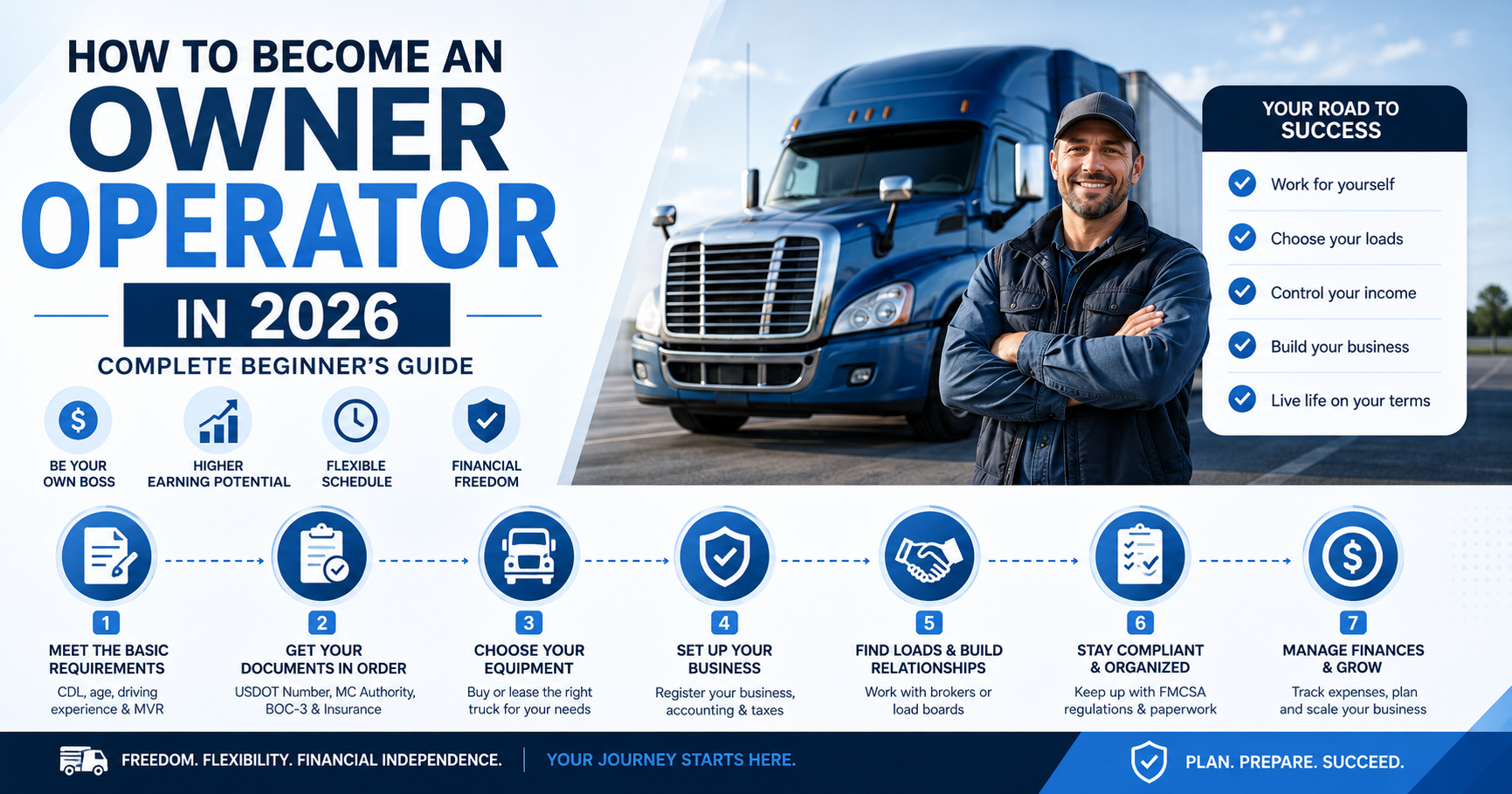
This guide explains how to become an owner operator in 2026, the essential owner operator requirements, and the steps to start your trucking business successfully.
What Is an Owner Operator?
An owner operator is a commercial truck driver who owns or leases their truck and operates either under their own operating authority or by leasing onto another motor carrier. Depending on how the business is structured, an owner operator may function as both the employer and the driver under FMCSA regulations.
Many drivers choose this path because it offers:
- Greater earning potential
- Business ownership opportunities
- Flexible scheduling
- Freedom to choose carriers or freight
- Long-term business growth
Step 1: Obtain a Commercial Driver’s License (CDL)
The first requirement to become an owner operator is holding a valid Commercial Driver’s License (CDL).
If you plan to operate Class 8 commercial vehicles, you’ll typically need a Class A CDL. Depending on the freight you transport, additional endorsements such as Tanker, Hazmat, or Doubles/Triples may also be required.
Experienced drivers generally have a stronger foundation before transitioning into business ownership, helping them better understand freight operations, customer expectations, and vehicle maintenance.
Step 2: Decide How You’ll Operate
Before purchasing equipment, determine your business model.
Generally, owner operators choose one of two paths:
Lease On to a Carrier
Many first-time owner operators lease their truck to an established carrier. The carrier typically provides freight opportunities while the owner operator remains responsible for operating the truck safely and maintaining required qualifications.
Operate Under Your Own Authority
Operating independently provides greater control over customers and freight but also requires additional registrations, insurance, compliance management, and business administration.
Choosing the right model depends on your experience, available capital, and long-term goals.
Step 3: Register Your Business
If you’re planning to operate independently, you’ll need to establish a legal business entity.
Common business structures include:
Many owner operators also obtain an Employer Identification Number (EIN) for tax purposes and business banking.
Step 4: Apply for a USDOT Number
Most interstate motor carriers are required to obtain a USDOT Number through FMCSA registration.
A USDOT Number identifies your business and allows federal regulators to monitor safety performance, inspections, and compliance activities. Companies operating commercial motor vehicles in interstate commerce generally must obtain one before beginning operations.
Step 5: Obtain MC Operating Authority (When Required)
If you’ll haul freight for compensation across state lines under your own authority, you’ll likely need FMCSA Operating Authority, commonly referred to as an MC Number.
Unlike a USDOT Number, an MC Number grants the legal authority to operate as a for-hire interstate motor carrier. Whether you need operating authority depends on the type of business and freight you plan to transport.
Step 6: Purchase Commercial Truck Insurance
Insurance is one of the largest startup expenses for new owner operators.
Coverage commonly includes:
- Primary Liability
- Cargo Insurance
- Physical Damage Coverage
- Occupational Accident Coverage (when applicable)
Insurance requirements vary depending on your authority type, cargo, and carrier agreements.
Obtaining insurance before accepting your first load is essential.
Step 7: Purchase or Lease Your Equipment
Your truck is your business’s largest investment.
Before purchasing equipment, consider:
- Freight type
- Fuel efficiency
- Maintenance costs
- Warranty options
- Trailer requirements
- Financing terms
Many new owner operators begin with reliable used equipment before expanding their fleet.
Step 8: Complete Required DOT Compliance
Starting an owner operator business means maintaining ongoing compliance, not just obtaining registrations.
Depending on your operation, common compliance responsibilities include:
- Driver Qualification Files (DQFs)
- DOT Drug & Alcohol Consortium enrollment
- Medical Examiner’s Certificate
- Hours of Service (HOS)
- Electronic Logging Device (ELD) compliance
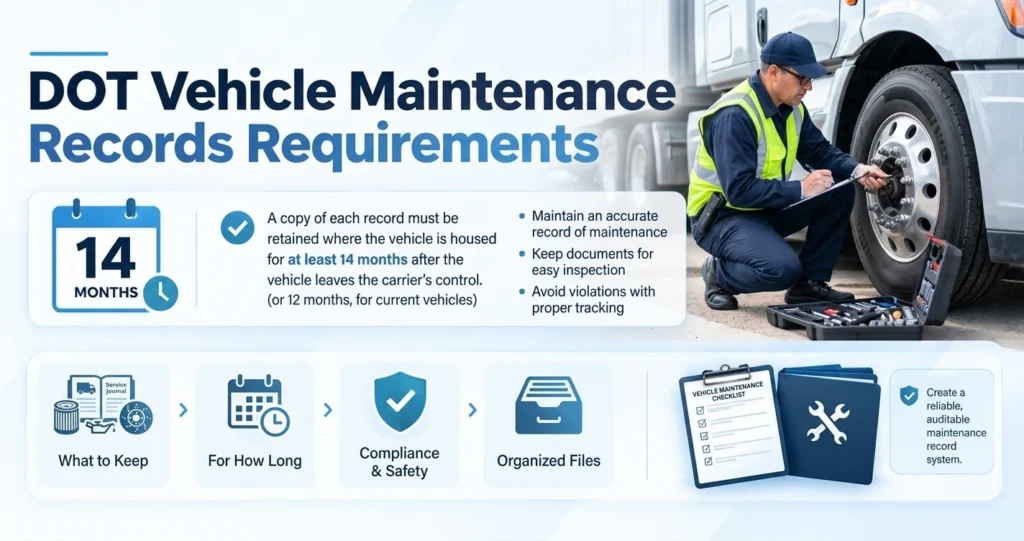
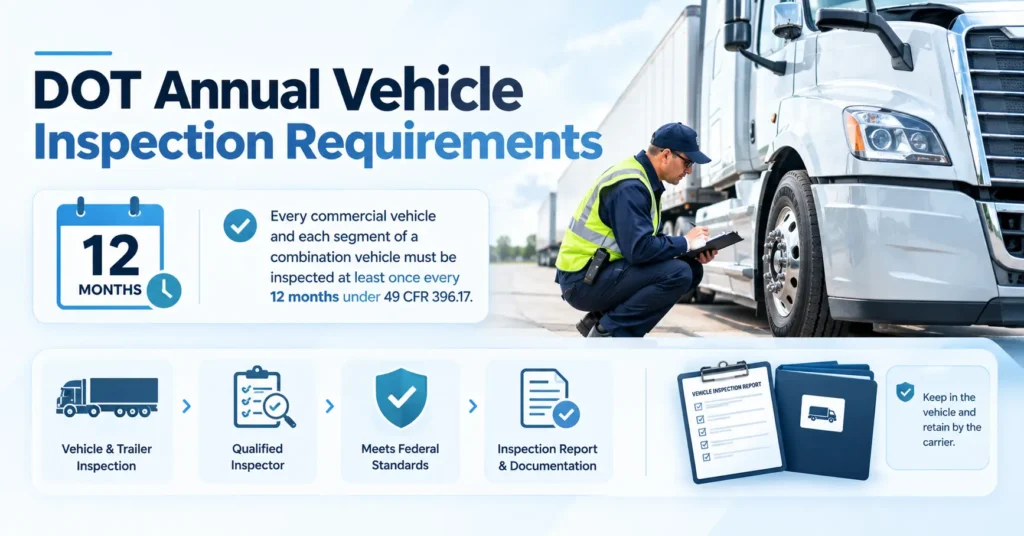
- Vehicle inspections
- Annual MVR reviews
- UCR registration
- IFTA reporting (when applicable)
For CDL owner operators operating under their own authority, participation in a DOT Drug & Alcohol Testing Program and compliance with FMCSA Clearinghouse requirements are mandatory.
Step 9: Find Your First Load
Once your registrations, insurance, and compliance requirements are complete, you’re ready to begin hauling freight.
Many new owner operators find loads through:
- Load boards
- Freight brokers
- Carrier partnerships
- Dedicated contract opportunities
- Dispatch services
As your business grows, establishing direct relationships with shippers can help create more consistent freight opportunities.
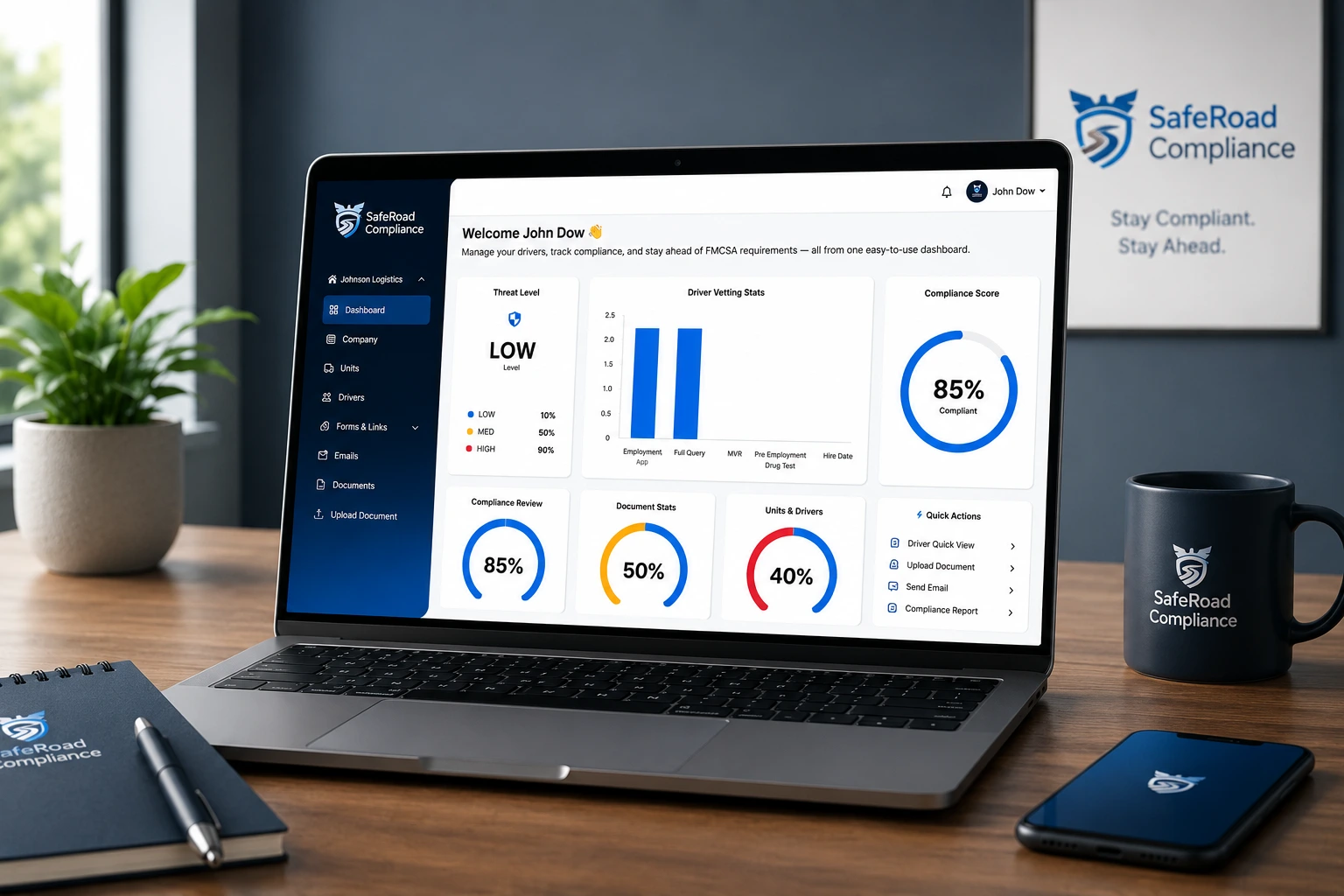
DOT Compliance Portal by SafeRoad Compliance
Simplify compliance management with centralized records, document tracking, and tools designed to help keep your trucking operation organized and audit-ready.
Common Mistakes New Owner Operators Make
Starting a trucking business is exciting, but avoiding common mistakes can save significant time and money.
Some of the most common include:
- Underestimating startup costs
- Purchasing the wrong truck
- Operating without understanding compliance requirements
- Failing to budget for maintenance
- Accepting low-paying freight
- Ignoring recordkeeping responsibilities
- Waiting too long to build customer relationships
Careful planning and staying compliant from day one can help build a stronger, more sustainable business.
Is Becoming an Owner Operator Worth It?
For many experienced CDL drivers, the answer is yes.
Owner operators enjoy greater independence and the opportunity to grow a trucking business, but success requires careful financial planning, strong operational discipline, and ongoing compliance with federal regulations.
If you’re prepared to manage both the driving and the business side of trucking, becoming an owner operator can be a rewarding long-term career path.
Ready to Apply for Owner Operator Opportunities?
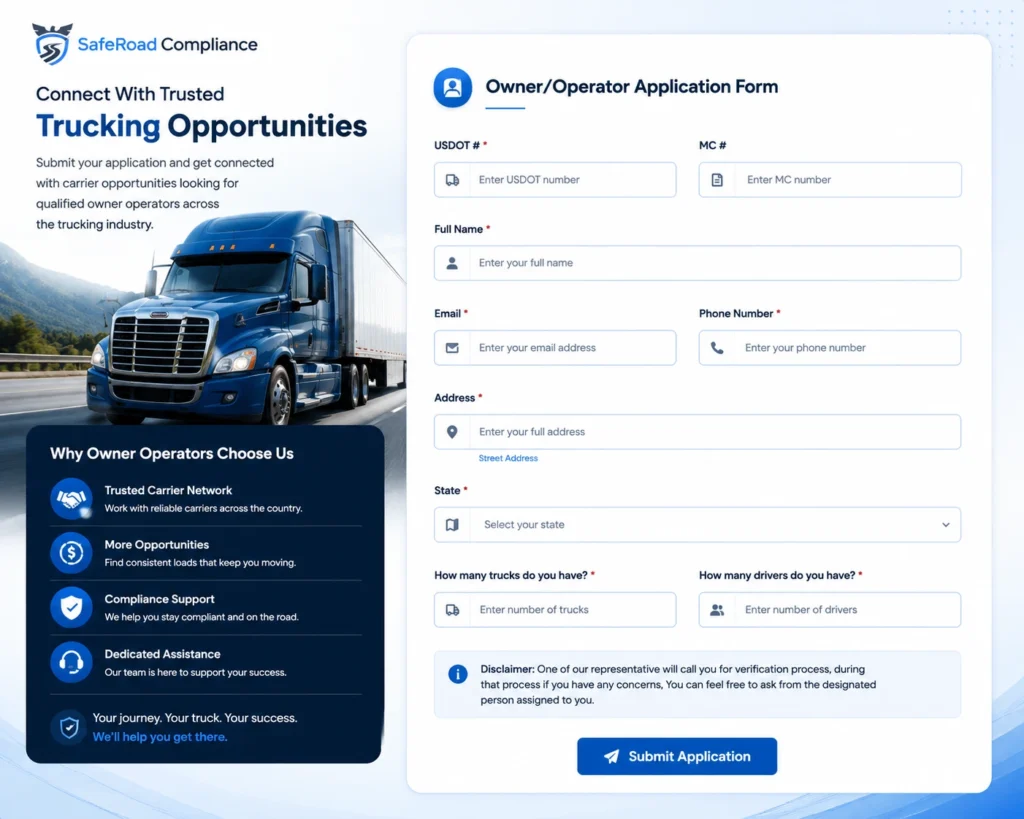
If you’re looking for owner operator jobs, owner operator trucking jobs, or trusted carrier opportunities, SafeRoad Compliance makes the application process simple.
Our team reviews every application individually and may connect qualified owner operators with carrier opportunities based on their business profile.
👉 Explore available opportunities and submit your application here:
FAQ
The timeline varies depending on your experience and business setup. Drivers who already have a CDL can often complete business registration, FMCSA filings, insurance, and compliance requirements within several weeks, although operating authority activation may take longer depending on FMCSA processing.
Not always. If you lease onto an existing carrier, you typically operate under that carrier’s authority. If you plan to haul freight for hire under your own interstate authority, you’ll generally need an MC Number.
Yes. Many successful owner operators begin with a single truck and gradually expand their business as they gain experience and build consistent freight relationships.
While there is no universal experience requirement, many carriers and insurance providers prefer drivers with commercial driving experience before operating independently.